A mouse infestation can start with one house mouse and rapidly grow into a serious issue. Mice slip through openings about the width of a pencil, then make nests near food, warmth, and nesting materials. They may hide for weeks while leaving droppings, odours, and damage behind.
Mice Control Caledon solutions assist homeowners and businesses locate the source of mouse activity, eliminate active rodents, and lower the chance of return. A reliable plan involves a property inspection, trap placement, entry point repairs, sanitation, and a follow-up inspection. Mosquito Man is one business that shares factual pest control service information and support for property owners facing rodents.
Indicators of a Mouse Infestation
Seeing mice represent just one sign of a problem. Most activity happens after dark, so you may notice evidence before you see a rodent. Inspect areas near walls, cupboards, stored goods, mechanical rooms, and other quiet spaces.
- Mouse droppings: Small, dark pellets often appear under sinks, inside drawers, behind appliances, and along wall edges. Fresh droppings may look moist or shiny, while older ones become dull and hard.
- Gnaw marks: Mice chew cardboard, wood, plastic, and wiring. Look for small tooth marks on food packaging, storage bins, door frames, and electrical cables.
- Scratching sounds: Movement inside ceilings, walls, or an attic may sound like light scratching or rustling. These sounds often become more noticeable at night.
- Rodent nests: Mice use shredded paper, fabric, insulation, and other soft material to form nests. A nest may be concealed behind appliances, in wall voids, or beneath stored items.
Additional clues may include a strong smell, slick rub traces along walls, disturbed food, and frequent sightings in the same area. Do not sweep or hoover dry droppings before receiving cleaning guidance. Handling contaminated material can spread particles into the air.

What Draws Mice to Houses and Commercial Properties
Mice look for three basic needs: food, water, and shelter. A small spill or unsealed opening can provide enough support for them to remain on a property. The same conditions affect houses, offices, retail spaces, warehouses, and other commercial properties.
Unsealed food sources are a common cause of mouse activity. Open cereal boxes, pet food, crumbs, and stored ingredients should remain in hard, sealed containers. In a workplace, food storage rules should cover lunch areas, staff rooms, kitchens, and stock areas.
Garbage also attracts rodents. Use bins with tight-fitting lids, empty indoor waste containers regularly, and keep outdoor garbage away from walls where practical. Good garbage disposal reduces odours and removes easy feeding opportunities.
Water leaks create another reason for mice to remain. Check plumbing under sinks, have a peek at this website utility rooms, laundry areas, and around appliances. Even a small leak can provide moisture. Drying wet areas and repairing plumbing improves long-term protection.
Entry points give mice access to warmth and shelter. Inspect foundation joints, utility penetrations, vents, door gaps, roof edges, and damaged siding. A mouse may enter through gaps around pipes or cables that seem too narrow to be a concern. A property inspection should examine both obvious and concealed openings.
Typical Locations Mice Hide
Mice seek dark areas with little disturbance. They often travel along walls and travel between food areas and nesting sites through covered routes.
- Attics: An attic provides warmth, insulation, and quiet nesting space. Mice may tear apart insulation or stay near stored boxes and roof penetrations.
- Wall voids: Wall voids let rodents travel between rooms without being seen. Scratching inside a wall can point to an active route or nest.
- Basements: A basement often contains plumbing openings, stored materials, moisture, and low-traffic corners. These conditions make it a common starting point for an infestation.
- Kitchens: Kitchens contain food, water, and many hiding spots. Inspect behind refrigerators, under cabinets, beside dishwashers, and inside lower cupboards.
Mice can also hide behind appliances, inside suspended ceilings, under shelving, and near heating equipment. Finding one mouse does not confirm that the nest is nearby. A professional reviews travel paths and connected areas before selecting a treatment plan.
Dangers of Leaving a Mouse Infestation Untreated
A mouse infestation rarely stays limited to one corner. Mice breed quickly when food and shelter remain available. Their activity can affect cleanliness, building materials, equipment, and daily operations.
Chewing creates risks for electrical wiring. Damaged wires can affect appliances and building systems. Any suspected wiring damage should be assessed by a qualified electrical professional. Do not handle exposed wiring while looking for rodents.
Insulation damage can reduce the material’s performance and create nesting debris. Mice may tear through insulation in an attic, wall, or basement ceiling. Replacing damaged material without removing the cause can lead to new nesting.
Contamination is another problem. Droppings, urine, nesting debris, and contact with stored food can create food contamination. Contaminated surfaces require careful cleaning and sanitation. Porous items may need disposal if they cannot be cleaned safely.
Rodents can also contribute to disease transmission. Contact with droppings, urine, saliva, and contaminated surfaces creates health risks, especially during cleanup. Children, pets, older adults, and people with certain health conditions may be more vulnerable to exposure.
Prompt mouse control limits the time rodents spend inside the building. It also helps identify damage before a small repair becomes a more serious maintenance issue.
Professional Mice Control Caledon Solutions
Expert Mice Control Caledon services address the root of activity rather than using only traps or bait. A pest control service should describe what it found, where mice are moving, and which steps will correct the problem.
A standard plan may include a pest inspection, mouse removal, rodent control, and exclusion. The technician may review indoor evidence, outdoor conditions, building openings, food storage, and sanitation concerns. Recommendations should reflect the property type, occupants, pets, and infestation severity.
Inspection and Infestation Assessment
The first step is an entry point inspection. A technician checks foundation areas, door thresholds, vents, utility lines, roof edges, and other locations where mice may enter. Indoor checks cover droppings, odours, rub marks, damaged packaging, and nesting materials.
An activity assessment helps determine whether the problem is current, occasional, or widespread. The technician may look for fresh droppings, tracks, gnaw marks, and movement near food or water. Dropping identification can also help distinguish mice from other rodents.
Nest detection matters because removing visible mice does not always remove the source. A technician may inspect the attic, basement, wall voids, cupboards, and areas behind appliances. The findings guide trap placement and exclusion work.
Ask for clear documentation after the property inspection. It should identify active areas, likely entry points, sanitation concerns, and recommended next steps.
Sealing Entry Points and Exclusion
Exclusion prevents new mice from entering after the active population is reduced. The process may involve blocking cracks and gaps around pipes, vents, doors, foundations, and exterior panels.
Gaps and cracks should be closed with materials suited to the location. Mice can chew through weak fillers, so repairs may require metal mesh, durable sealants, or other physical barriers. Door sweeps help close the space beneath exterior doors, while vent covers protect openings without blocking needed airflow.
Exterior sealing supports entry prevention by reducing openings created by moisture, shifting materials, and seasonal wear. A technician may suggest repairs to damaged siding, roof edges, seals, or foundation joints.
Sealing every opening before checking indoor activity is not always the best first step. A professional exterminator can decide which openings to close immediately and which require a managed approach to avoid trapping rodents inside inaccessible spaces.
Trapping and Population Reduction
Trapping removes active mice and provides useful evidence about movement. Snap traps remain a common choice because they can lower rodent numbers fast when placed correctly. They must be positioned where children and pets cannot reach them.
Live traps may be considered in situations where a different capture method matches the site and local requirements. They require frequent checks and careful handling. Releasing a captured mouse without correcting entry points may simply move the problem elsewhere.
Strategic trap placement works better than placing traps randomly. A technician may position traps beside walls, near droppings, along travel routes, or close to suspected nesting areas. Trap selection depends on the space, activity level, and safety needs of the occupants.
Monitoring shows whether activity is declining. A technician may check trap results, new droppings, disturbed materials, and signs of movement. This information supports adjustments instead of leaving traps in place without review.
Safe Pest Treatment for Homes and Businesses
Safe pest treatment should account for children, pets, staff, customers, and sensitive areas. Child-safe methods and pet-safe methods may include secured traps, protected stations, exclusion repairs, and improved sanitation. Safety depends on correct placement and following all product instructions.
Rodent bait is not suitable for every situation. If bait is used, it should remain inside an approved, secured station and away from people and animals. A professional assesses whether trapping, exclusion, or another method provides better control.
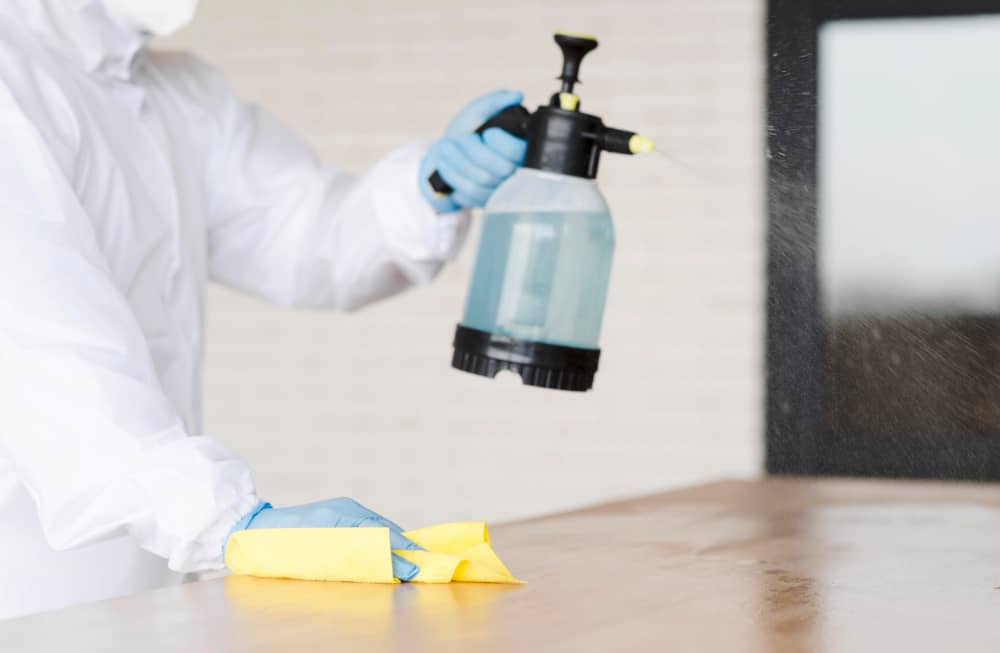
Decontamination eliminates droppings, nesting debris, food residue, and contaminated surfaces. Cleaning should follow appropriate safety procedures. Do not handle heavily contaminated insulation or concealed waste without adequate protection and guidance.
Return visits help confirm that mouse activity has stopped. A follow-up inspection may check traps, sealed openings, new evidence, and repairs. This step is especially useful when activity occurs in wall voids or other areas that are difficult to observe.
Mice Control for Businesses
Business premises require a plan that safeguards operations as well as the property. A mouse sighting in a stockroom, kitchen area, workplace, or storage area can create worries about food safety, employee safety, and customer confidence.
Food handling needs steady control. Keep ingredients and completed products off the floor where appropriate, use sealed containers, rotate stock, and clean spills promptly. Staff should record droppings, damaged packages, and unusual sounds instead of moving evidence before an inspection.
Employee safety includes controlled access to traps, locked rodent bait stations when approved, and simple instructions for reporting activity. Cleaning teams should know how to manage contaminated surfaces and when to request professional sanitation support.
Business continuity depends on timely action. A technician can schedule inspections and treatment around operating hours when possible. Records of findings, repairs, trap checks, and follow-up inspection results help property managers monitor progress.
For commercial properties, rodent control is often an ongoing program rather than a single visit. Regular monitoring can identify new activity before it affects stored goods, production, customer areas, or staff spaces.
Ways to Stop Mice from Returning
Mouse prevention begins with eliminating easy access to food and shelter. Keep dry goods, pet food, and waste in secure containers. Keep counters, floors, storage shelves, and food preparation areas clean. Recheck food storage practices after holidays, renovations, deliveries, or changes in occupancy.
Property maintenance also helps. Repair damaged door seals, screens, vents, foundation joints, and siding. Check pipe penetrations and utility openings during routine maintenance. A small gap can become an access point after weather or building movement changes its size.
Clutter reduction makes inspections and cleaning easier. Remove cardboard piles, unused fabric, paper stacks, and items stored directly against walls. Keep a clear inspection space around appliances, basement walls, and utility areas.
Continued checks can include checking for fresh droppings, gnaw marks, odours, and disturbed packaging. Businesses may use written inspection logs. Homeowners can review garages, basements, attics, and kitchens at routine intervals.
Ongoing protection works best when exclusion, sanitation, and property repairs support one another. Traps alone may remove some mice, but they do not seal the opening that allowed the infestation to begin.
DIY Mouse Control vs. Professional Removal
Do-it-yourself mouse control may work when activity is limited and the entry point is clear. You can remove accessible food, improve garbage disposal, seal cracks and gaps, and set mouse traps in protected locations. Check traps often and keep them away from children and pets.
Rodent bait requires special care. It may put at risk pets or wildlife if used incorrectly, and a mouse may die inside a wall where it creates an odour. Read every label and never place bait where non-target animals can reach it.
Infestation severity should guide your decision. A single confirmed sighting with no other evidence may require monitoring and basic prevention. Repeated sightings, widespread droppings, mouse nests, strong odours, or activity in several rooms point to a larger problem.
Professional pest control is appropriate when mice continue appearing after trapping, when the entry point is hidden, or when rodents occupy walls, ceilings, insulation, or electrical areas. A technician can combine inspection, mouse removal, exclusion, sanitation, and follow-up care.
Call for professional help quickly if you find damaged electrical wiring, significant contamination, dead rodents in inaccessible areas, or evidence of activity in a food-handling workplace. The right response addresses both the visible mouse and the conditions feeding the rodent infestation.
Frequently Asked Questions About Mice Control
How can I tell if I have mice in my Caledon home?
Look for mouse droppings, gnaw marks, scratching sounds, nesting materials, stale odours, and damaged food packaging. Droppings under sinks, behind appliances, or along wall edges often indicate ongoing mouse activity. A pest inspection can confirm whether signs are current and help locate the entry points.
What attracts mice to homes in Caledon?
Mice are attracted by food sources, garbage, water leaks, warmth, shelter, and gaps in the building envelope. Open food, overflowing bins, moisture under sinks, and clutter can encourage an infestation. Better food storage, garbage disposal, repairs, and exclusion reduce these attractants.
How do I stop mice from coming into my house?
Examine the exterior for openings around doors, vents, pipes, foundations, roof edges, and utility lines. Close cracks and gaps with strong materials, install effective door sweeps and vent covers, store food in sealed containers, and reduce clutter. Regular property maintenance supports mouse prevention throughout the year.
Are mice frequent in Caledon during winter?
Winter mouse activity often grows indoors because mice seek heat, food, and shelter from cold conditions. A winter infestation may start through a small opening near the foundation, garage, attic, or utility line. Inspect entry points before cold weather and act promptly to indoor signs.
What are the top mouse traps for home use?
Snap traps are often effective when selected and placed correctly. They should sit along mouse travel routes, near walls, and away from children and pets. Live traps may suit some situations but need regular checks. Trap placement matters as much as trap selection.
Can mice damage insulation or electrical wiring?
Yes. Mice may tear apart insulation for mouse nests and chew electrical wiring, plastic, wood, and stored materials. Damaged insulation may need an evaluation and replacement. Have suspected electrical wiring damage reviewed by a qualified electrical professional, and arrange rodent control to stop further chewing.
When should I call a professional mice control service?
Call a professional pest control service when sightings continue, signs appear in several areas, traps do not solve the issue, or you cannot locate the entry point. Professional removal is also recommended when mice are inside wall voids, attics, insulation, food storage areas, or commercial properties.
Is professional mice removal safe for pets and children?
Professional mice removal can be planned around household safety needs. Tell the technician about children, pets, food areas, and access concerns before treatment. Child-safe pest control and pet-friendly pest control may include secured traps, protected stations, exclusion, sanitation, and follow-up inspection.